Same Play, Different Funeral: How Defenses Are Eating Predictable Offenses Alive Inside the 5
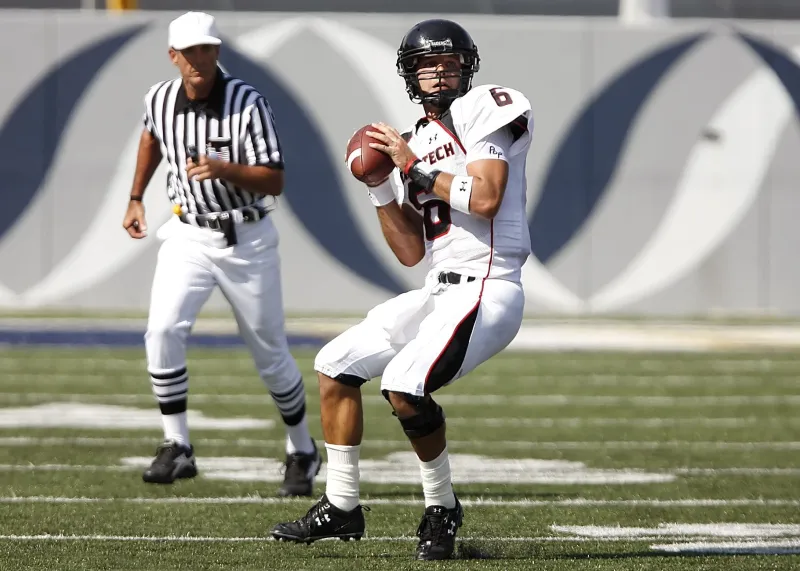
There's a particular kind of heartbreak that NFL fans know all too well. Your team's offense has just carved up 75 yards of real estate like it was nothing. The quarterback looks sharp, the receivers are getting open, and the run game is churning. Then the ball hits the 5-yard line — and suddenly, it's like someone flipped a switch. Three plays, no gain, field goal. Or worse, a turnover.
This isn't bad luck. It's not a fluke. It's what happens when a defensive coordinator has done his homework and an offensive play-caller has gotten too comfortable.
The Most Dangerous Five Yards in Football
Here's the thing about the red zone that doesn't get enough airtime on your average Sunday broadcast: the closer you get to the end zone, the more the field shrinks — and not just physically. Defensive backs can play tighter because there's no threat of getting beat deep. Linebackers can crowd the box without worrying about play-action stretching them vertically. The defense, in short, gets to cheat.
That compression changes everything. Routes that work at midfield become impossible near the goal line. Spacing concepts that create natural pick routes get wiped out by the compressed geometry. The offense is essentially operating in a phone booth while the defense is perfectly comfortable in that environment.
So what do most offensive coordinators do when they hit that critical stretch inside the 5? They go to their "stuff." Their bread and butter. The plays they've repped a thousand times in practice because they trust them. And that's exactly where the problem starts.
Film Doesn't Lie — And Neither Does Repetition
Defensive coordinators at the NFL level are watching hundreds of hours of film every week. When a team makes the playoffs, that process becomes almost obsessive. By the time two teams meet in a high-stakes game, a sharp defensive mind has catalogued every tendency an offense has inside the 5.
Which formation do they favor on 1st and goal from the 4? Does the quarterback check out of runs when he sees a certain front? Does the tight end align differently when they're going to the flat versus running a seam route? These aren't small details — they're the blueprint for a stop.
When an offense leans on the same two or three concepts repeatedly in goal-line situations across a season, they're essentially handing that blueprint to every defense they'll face in January. And the defenses that make it to the playoffs? They know how to read blueprints.
The Comfort Zone Trap
Coaches are human. When something works, there's a natural pull toward running it back. That's not a character flaw — it's pattern recognition, the same instinct that makes coaches great at building systems. But inside the 5, the margin for comfort is razor thin.
Consider how often you see a power run on 1st and goal from the 3, a quick slant on 2nd, and some variation of a fade or back-shoulder throw on 3rd. That sequence isn't random — it's the default for a huge chunk of NFL offenses. And defenses know it's coming. They've been practicing their response to it since Tuesday.
The teams that fall into this trap aren't necessarily bad at football. Some of them have elite quarterbacks and Pro Bowl skill players. But elite talent can only carry you so far when the defense has already diagnosed your intentions before the ball is snapped.
The Coordinators Breaking the Mold
Not every offensive mind is stuck in this loop, though. The coaches who are winning the goal-line chess match are the ones treating each red zone possession like its own unique puzzle rather than a situation to be managed with proven formulas.
What does that look like in practice? It means using personnel groupings that don't telegraph the play type. It means mixing run-pass options that force defenders to commit before they can react. It means occasionally going empty backfield inside the 3 — not because it's the percentage play, but because it's the unexpected play. It means deploying motion and shifts that create pre-snap conflict for linebackers who have rehearsed stopping a very specific set of looks.
Some teams have started treating their goal-line package the way a good poker player treats their betting patterns — deliberately inconsistent, designed to prevent the other side from ever getting a clean read.
What the Numbers Tell Us
Goal-line efficiency stats paint a clear picture when you dig into them. Teams that rank near the bottom of red zone touchdown conversion rates inside the 5 almost universally share one trait: their play-call distribution in those situations is heavily concentrated in just two or three concepts. The variance is low. The predictability is high.
Meanwhile, the teams converting at the highest rates tend to show more diverse play-call distributions in those same situations. They're not necessarily running more exotic plays — they're just keeping defenses honest by making the answer harder to predict. Even a slight variation in formation, motion, or ball placement can be enough to shift the leverage back toward the offense.
The Championship Cost
This stuff matters enormously in the postseason. Regular season red zone failures sting, but they're survivable. In a playoff game, a stalled drive inside the 5 that ends in three points instead of seven can be the difference between a championship run and a flight home.
The teams hoisting trophies in February aren't always the ones with the most talented rosters. They're the ones that found answers to questions defenses were asking. And right now, one of the loudest questions being asked at the goal line is this: Are you going to call the same play you always call here?
For too many offenses, the honest answer is yes. And prepared defenses are cashing in on that answer every single week.
The solution isn't complicated in theory, but it demands discipline and creativity in equal measure. Offensive coordinators have to be willing to practice the unexpected, to build a goal-line vocabulary that's wide enough to keep defenses guessing even when the field has shrunk to almost nothing.
Because at the end of the day, the teams that win championships aren't the ones that run their best plays — they're the ones that run plays the defense hasn't seen coming.