Chasing the Bag: Why Contract Years Turn Ordinary Players Into Statistical Monsters

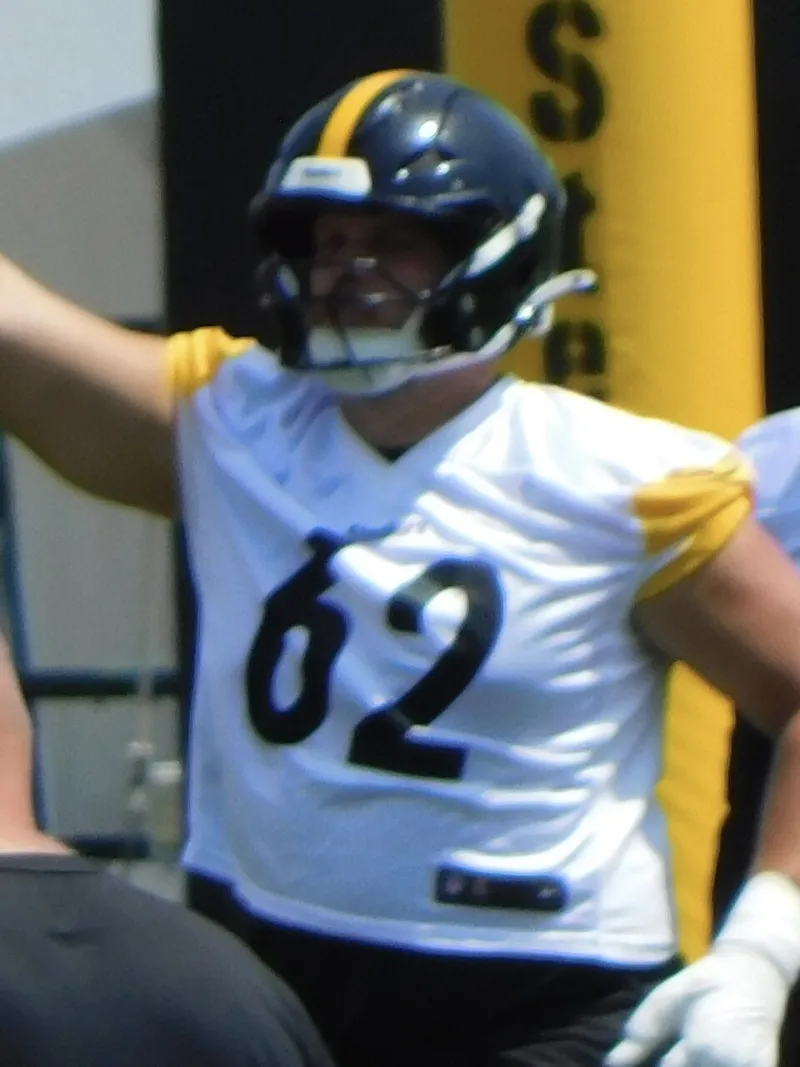
Photo: doe-oakridge, Public domain, via Wikimedia Commons
There's a phrase that floats around front offices and sports bars with equal frequency: contract year player. It carries a dual meaning depending on who's saying it. To the player, it's a chance to prove worth and secure generational money. To the team, it's equal parts excitement and suspicion. And to the fans watching at home, it's one of the most entertaining storylines in sports.
Because when it works — when a player on the final year of their deal suddenly looks like a Pro Bowler — it's genuinely thrilling. When it doesn't translate into anything sustainable? That's when things get complicated.
The Numbers Don't Lie (But They Don't Tell the Whole Story Either)
Let's start with the data, because it's pretty striking. Across multiple studies of NFL performance metrics over the past decade, players in the final year of their contracts showed statistically significant upticks in several key categories. Wide receivers averaged roughly 11% more targets in contract years. Running backs showed higher yards-after-contact numbers. Defensive players — particularly edge rushers — often posted their highest single-season sack totals heading into free agency.
These aren't flukes. The pattern is consistent enough that analysts have given it a name: the contract-year effect. But explaining why it happens is where things get genuinely interesting.
The Motivation Factor — Real, But Complicated
The most obvious explanation is also the most human one: people work harder when their livelihood is on the line. When your next paycheck — potentially the biggest of your life — depends on what you do over the next 17 weeks, your focus sharpens in ways that are hard to replicate under a long-term deal.
This isn't cynical. Athletes are competitors by nature, but they're also professionals operating in a business environment. The psychological literature on performance under high-stakes conditions consistently shows that externally motivated goals — especially financial ones tied to specific outcomes — can produce measurable gains in output.
That said, sports analysts who study this phenomenon are quick to point out that motivation alone doesn't explain the full picture. A receiver who wants to get paid still needs the ball thrown his way. A cornerback who's hungry for a big deal still needs to be on the field in meaningful situations.
Which brings us to the part of the contract-year effect that doesn't get talked about enough.
Opportunity Inflation: The Hidden Variable
Here's a scenario that plays out more often than you'd think. A player enters the final year of their deal. Their team — aware that the player is about to hit free agency and knowing they might lose them — starts feeding them more opportunities. Coaches begin designing plays specifically to showcase the player's strengths. The player gets featured in situations that highlight their upside rather than hide their limitations.
In other words, the team essentially markets the player for them.
This creates a statistical spike that reflects both genuine improvement and manufactured opportunity. And when teams on the open market look at that player's numbers, they're seeing a version of the player that was partly constructed by ideal circumstances.
Analysts who've spent time in front offices describe this as one of the trickiest evaluation problems in sports. You're trying to determine: is this player actually better, or were they just used better?
The Boom-and-Bust Reality
The uncomfortable truth is that contract-year surges frequently don't carry over. Across multiple position groups in the NFL, players who posted their career-best seasons in contract years and then signed large free agent deals showed a regression in performance the following season at a rate that's hard to ignore.
Running backs are the most extreme example. The position already carries significant wear-and-tear concerns, and the incentive to maximize carries in a contract year can lead to a player essentially spending down physical capital that they don't fully recover from. Teams that pay top dollar for a running back fresh off a contract-year explosion have historically been burned with alarming consistency.
Wide receivers show a more nuanced pattern. Some genuinely do maintain elevated production after signing big deals — particularly those whose contract-year performance was tied to a new quarterback relationship or a scheme change that the new team also runs. Others fade quickly once the financial pressure lifts.
The Mental Toughness Angle — And Why It Actually Matters
There's a version of the contract-year story that's genuinely inspiring, and it's worth spending time on. For some players, the contract year isn't just about money. It's about silencing doubt.
Consider the player who was drafted in the third round, spent three years as a rotational piece, and watched younger players get more opportunities. The contract year is their moment to finally demonstrate what they've been working on in the offseason, what they've been building in the film room, what they've been telling themselves in the mirror. The financial stakes are real, but so is the emotional weight of proving that the scouts who overlooked them were wrong.
These are the contract-year performances that stick. When a player's statistical spike reflects genuine development — improved route running, better pass-rush technique, more sophisticated coverage reads — rather than just heightened effort or inflated opportunity, the numbers tend to hold up after the new contract is signed.
The challenge for teams is distinguishing between the two.
What Smart Teams Do With This Information
The best front offices in the league have developed increasingly sophisticated frameworks for evaluating contract-year players. Rather than simply looking at the headline stats, they dig into process metrics: how consistent was the performance week-to-week, or did it spike in showcase moments? Were the numbers inflated by garbage time? How does the player perform in high-leverage situations versus low-stakes ones?
They also look at the player's track record before the contract year. A player who showed steady, incremental improvement over multiple seasons before their breakout contract year is a very different investment than someone who came out of nowhere in year four of a mediocre career.
Every Play Has a Price Tag
The contract-year effect is one of the most human stories in professional sports. It's about ambition, pressure, opportunity, and the very real question of what motivates excellence. At PartaiGoal, we think that's worth taking seriously — because understanding why players perform the way they do is just as important as celebrating the performances themselves.
So the next time you see a player absolutely cooking in the final year of their deal, enjoy it. Appreciate the effort. Root for them to get paid.
Just maybe don't expect the exact same player to show up in year one of that shiny new contract.