Beyond the Box Score: The Hidden Forces That Turn Good Teams Into Dynasty Material
Photo: Erik Drost, CC BY 2.0, via Wikimedia Commons
Every Sunday, millions of fans scroll through stats apps checking passing yards, rushing totals, and red zone percentages. Fantasy managers live and die by those numbers. But ask any coach who's been to multiple Super Bowls what actually wins championships, and you'll get a very different kind of answer.
It's not always the team with the best quarterback rating. It's not always the defense giving up the fewest yards per game. More often than not, the franchise holding the Lombardi Trophy in February got there because of things that never make the highlight reel — and definitely don't show up in any box score.
The Communication Gap Nobody Talks About
Here's a scenario that plays out in stadiums across the country every single week: a defense gives up a 40-yard touchdown because two players ran to the same zone and left a receiver wide open behind them. The stat sheet will log it as a 40-yard completion allowed. What it won't log is the broken communication that made it happen.
Analytics experts who consult with NFL front offices have started calling this the "communication efficiency" problem. It's the invisible thread that holds elite defenses together — and when it frays, even the most talented rosters can look like a mess.
Teams like the San Francisco 49ers under Kyle Shanahan have built a reputation for operating with almost eerie precision, not because they have the most athletic players at every position, but because their guys know exactly where everyone else is supposed to be. Players self-correct mid-play. Adjustments happen without sideline timeouts. That kind of synchronized operation doesn't come from talent alone — it comes from thousands of reps, film sessions, and a culture that prioritizes clarity over individual heroics.
Second-Effort Plays: The Stat That Would Change Everything
Imagine a metric that tracked every time a lineman fought through a block to make a tackle two seconds after the average player would have quit. Or every time a wide receiver sprinted full speed on a running play just to spring a block that gained three extra yards.
That stat doesn't exist in official NFL records. But coaches are obsessed with it.
Second-effort plays — the moments where a player chooses to keep competing after the easy excuse to stop presents itself — are considered by many inside the league to be one of the strongest predictors of postseason success. The regular season rewards talent. The playoffs reward will.
Look at the Kansas City Chiefs' dynasty run under Patrick Mahomes. Yes, Mahomes is a generational talent. But the plays that keep coming up in coaching circles aren't his highlight-reel throws. They're the scrambles where he's absorbing a hit and still delivers accurately. The fourth-quarter drives where guys who've been on the field all game are somehow running harder than they did in the first. That's a culture thing. And culture doesn't have a stat line.
Defensive Rotations: The Chess Match Most Fans Never See
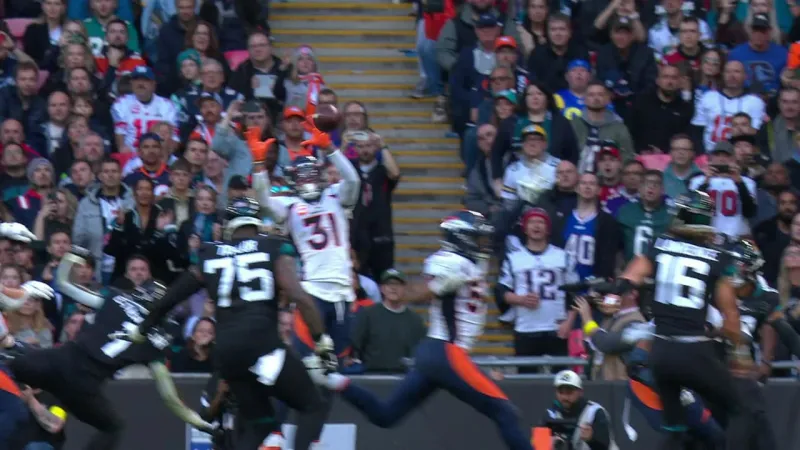
On any given passing play, what you're watching as a fan is the quarterback, maybe the receiver, and the result. What you're not watching is the choreography happening across the entire defensive backfield — the rotations, the disguised coverages, the calculated gambles that coordinators make based on down, distance, and opponent tendencies.
When a defense executes those rotations cleanly, it looks effortless. Nobody notices. When they break down, it looks like a coverage bust and everyone dunks on the safety who "blew his assignment."
But here's the thing — the teams that run clean rotations consistently aren't just more talented. They're more disciplined. They've bought into a system where individual glory takes a backseat to positional integrity. That's a harder sell than most people realize in a league full of guys who've been stars their entire lives.
The New England Patriots ran this concept into the ground for two decades. Bill Belichick's defenses weren't always the most physically imposing units in the league. But they were almost never confused. And in a league where confusion equals touchdowns, that matters enormously.
The Front Office Angle: Drafting for Intangibles
Here's where it gets interesting from a roster-building perspective. Teams that understand these invisible metrics don't just coach for them — they draft and sign for them.
Scouts increasingly talk about "program players" — guys who came from college systems that emphasized accountability, communication, and second-effort culture. The combine measures speed, strength, and agility. It does not measure whether a guy will sprint downfield on a play that's clearly going away from him. Teams that figure out how to identify that quality gain a real competitive edge.
Some franchises have started incorporating behavioral analytics and even proprietary film-review systems that track effort metrics across a player's college career. It's not perfect science, but the intent is clear: find the guys who play hard when nobody's watching, because those are the guys who'll define your locker room.
So Why Don't We Track Any of This?
Partly it's technical — many of these plays require human judgment to identify and categorize, which makes large-scale data collection messy. Partly it's commercial — the metrics that drive fantasy sports and mainstream fan engagement are traditional stats, and there's a massive industry built around them.
But the bigger reason might be cultural. American sports fandom has a deep love affair with individual brilliance. We want to celebrate the quarterback, the pass rusher, the guy who scored the touchdown. The offensive lineman who held his block for an extra half-second to spring that touchdown? He'll be lucky to get a mention in a post-game presser.
Championship teams, though, know the truth. Every play matters — not just the ones that end up on SportsCenter. The teams that internalize that philosophy, that build rosters and cultures around the invisible game being played inside the visible one, are the teams that keep showing up in February.
The box score will always be there. But the real story of how championships are won? That one lives somewhere else entirely.