Fresh Blood, Big Stakes: How First-Year Phenoms Flipped Their Team's Postseason Fortunes
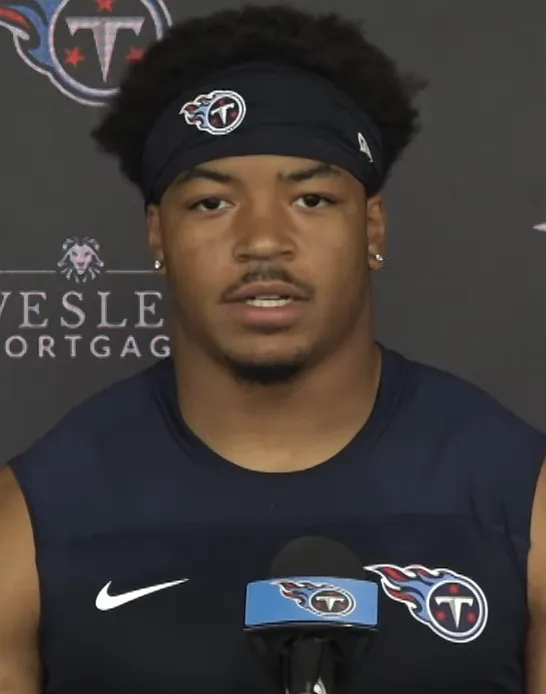
Photo: Tennessee Titans, CC BY 3.0, via Wikimedia Commons
There's a certain kind of magic that happens when a rookie steps onto an NFL field and immediately makes the veterans around him better. It doesn't happen every year, and it definitely doesn't happen with every highly-touted draft pick. But when it does click, the ripple effect through a roster — and through a team's playoff chances — can be genuinely stunning.
At PartaiGoal, we live for the moments that shift the entire momentum of a season. And few things do that quite like a first-year player who arrives and just gets it faster than anyone expected.
The Difference Between Hype and Impact
Let's be real: the NFL draft generates enormous hype every spring. Mock drafts, combine numbers, college highlight reels — the buildup is massive. But translating college production into immediate NFL relevance? That's a completely different animal.
Statistically speaking, the average rookie contributes meaningfully in about 30% of their snaps during their first season. Truly transformative rookies — the ones who actually shift playoff trajectories — tend to operate well above that threshold by Week 8 or 9. What separates them isn't just raw talent. It's processing speed: how fast they read defenses, how quickly they understand their role within a system, and how well they absorb coaching under pressure.
Take the 2017 season. Kareem Hunt arrived in Kansas City and immediately became a weapon that opposing defenses simply hadn't prepared for. He rushed for 1,327 yards and added 53 receptions out of the backfield, giving Andy Reid an offensive dimension that helped push the Chiefs to an 10-6 record and into the postseason. The team's offensive identity was genuinely different with him in the lineup — not just incrementally better, but structurally altered.
Mid-Season Arrivals and the Momentum Shift
Some of the most dramatic rookie impacts don't even start in Week 1. Mid-season insertions — whether due to injuries, poor performance from starters, or coaching adjustments — can create a "new season" feeling within a roster that's been grinding through a difficult stretch.
When a young player earns a starting role in October or November, there's often a psychological lift for the entire team. Veterans who might have been going through the motions suddenly have someone to mentor, a reason to play cleaner, a spark to match. The locker room dynamic shifts in subtle but measurable ways.
Coaches will tell you off the record that sometimes the best thing that can happen to a struggling team is a fresh face who doesn't know enough to be scared. That fearlessness — rookies playing loose, playing free — is genuinely contagious.
The Statistical Fingerprints of a Game-Changer
So what do the numbers actually look like when a rookie is legitimately altering playoff destiny rather than just filling a roster spot?
A few patterns show up consistently:
Efficiency over volume in early weeks. Game-changing rookies tend to post high yards-per-carry or yards-per-route-run numbers before their snap counts balloon. They're doing more with less opportunity, which forces coaching staffs to give them more.
Third-down impact. This is the real proving ground. Rookies who contribute meaningfully on third downs — whether converting first downs as receivers or holding blocks in pass protection — are the ones who stick in the lineup when games get tight.
Turnover-to-opportunity ratio. The best early-impact rookies protect the ball and the quarterback. They don't force plays. Their decision-making under pressure, even early in the season, mirrors that of players with two or three years of experience.
Justin Jefferson's 2020 campaign is the gold standard here. He posted 88 receptions for 1,400 yards as a rookie — numbers that weren't just impressive in isolation, they actively stretched Minnesota's offense in ways that made Dalvin Cook harder to stop and Kirk Cousins more effective overall. The Vikings finished 7-9 that year, but Jefferson's emergence was the clearest signal of what that offense could become.
Veteran Leadership: The Unsung Catalyst
Here's what often gets overlooked in the rookie-impact conversation: no first-year player transforms a team in a vacuum. The veteran infrastructure around them matters enormously.
Rosters with established leaders — guys who've been in playoff games, who've felt the weight of late-season pressure — tend to accelerate rookie development in ways that show up in team performance metrics. A young receiver learning route-running nuance from a slot veteran. A rookie linebacker getting pulled aside after film sessions by a 10-year pro who explains assignment football at the NFL level.
This veteran-rookie dynamic is one of the most underanalyzed factors in playoff trajectory shifts. Teams that have both — explosive young talent AND experienced mentors who invest in that talent — are the ones most likely to make unexpected postseason runs.
Flash in the Pan vs. The Real Deal
Not every hot rookie start translates into sustained playoff relevance. The league has seen plenty of first-year players light up box scores in September only to get schemed out of games by November when defensive coordinators have enough film.
The distinguishing factor, according to multiple offensive coordinators who've spoken publicly on the topic, is adaptability. Can the rookie make adjustments at the line of scrimmage? Can they win in multiple alignments? Do they have a second move when their primary read gets taken away?
Rookies who answer yes to those questions tend to be the ones still contributing — and contributing meaningfully — when playoff seeding is actually on the line in December and January. That's the real test. Week 3 numbers are interesting. Week 16 numbers against a defense that's had three months to study you? That's where legacies start getting built.
The Bottom Line
Every play matters, and when a rookie is the one making those plays count in October and November, the entire trajectory of a season can bend in unexpected directions. The teams that have capitalized most effectively on first-year breakouts are the ones that built systems flexible enough to feature new talent quickly, surrounded that talent with smart veterans, and trusted the process even when the results took a few weeks to show up.
The next rookie revelation is already on an NFL roster right now. The question is which coaching staff is smart enough — and patient enough — to let him change everything.