Fuel from the Fire: How NFL Franchises Turn Gut-Punch Losses Into Championship DNA
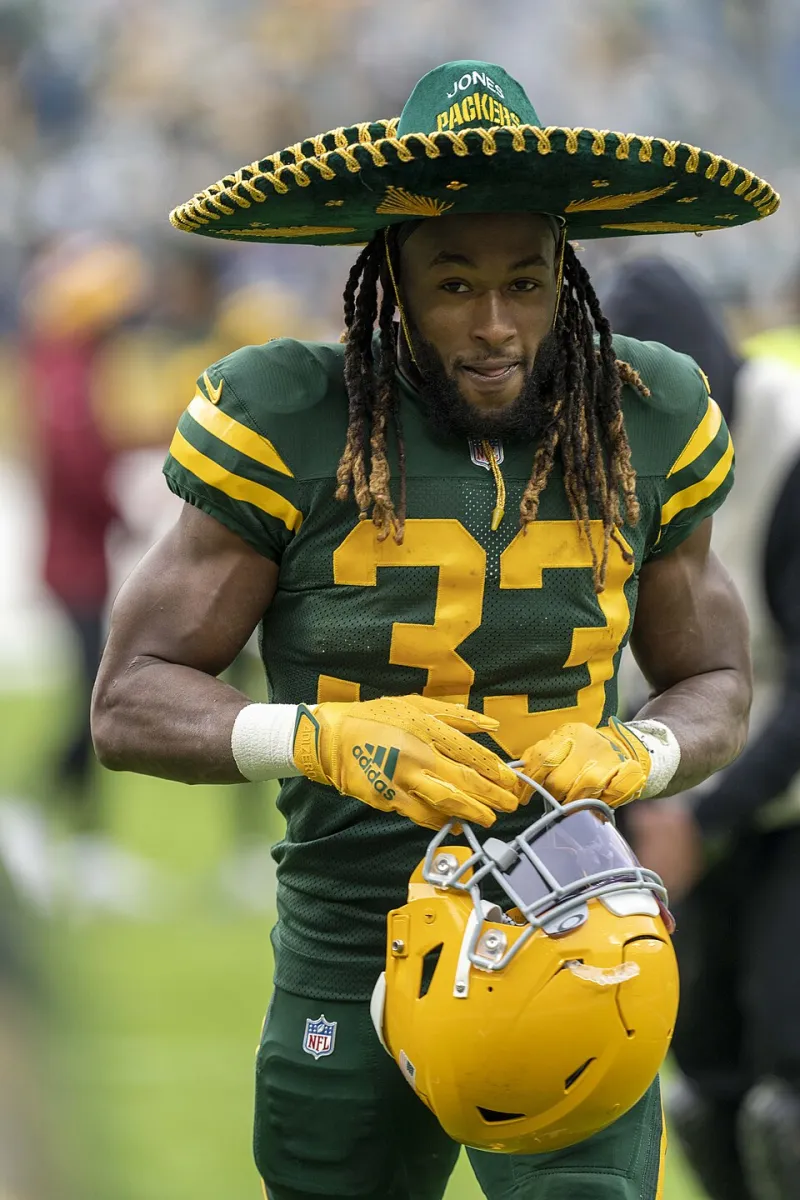
Photo: All-Pro Reels, CC BY-SA 2.0, via Wikimedia Commons
There's a moment every football fan knows too well. The final whistle. The deflating silence in the stadium. Players staring at the turf like they're trying to find answers buried somewhere beneath the grass. A season that felt destined for something great suddenly reduced to a single, brutal exit.
But here's the thing about pain in professional football — it doesn't have to just hurt. For the right organizations, with the right leadership and the right locker room, it can be the most powerful motivator in the sport. The teams that figure that out? They don't just come back the following year. They come back different.
The Difference Between Reacting and Rebuilding
Not every team that suffers a devastating loss knows how to channel it. Some franchises overreact — gutting a roster that was actually close, making panic moves in free agency, or firing a coaching staff that simply needed one more offseason to figure things out. That's the trap. Mistaking urgency for wisdom.
The franchises that actually weaponize their losses are the ones who do something harder: they sit with the failure long enough to actually understand it. What broke down? Was it scheme? Depth? Clutch performance under pressure? Leadership in critical moments? Those are uncomfortable questions, but asking them honestly is the first step toward building something that can actually go the distance.
The Kansas City Chiefs are probably the cleanest modern case study here. After their 2018 AFC Championship loss to the New England Patriots — a game that went to overtime and left Patrick Mahomes without the ball in the extra period — the organization didn't spiral. They analyzed. They reinforced their offensive weapons, sharpened their two-minute drill execution, and came back the following season with a ruthless efficiency in close games. The result? Super Bowl LIV. The heartbreak didn't break them. It blueprinted them.
Identity Shifts That Actually Stick
One of the most underrated outcomes of a painful playoff loss is what it does to a team's identity. When you fall short in a way that exposes a real weakness — not bad luck, but a genuine structural flaw — the best organizations use that moment to redefine who they are.
Take the Philadelphia Eagles heading into the 2017 season. The franchise had endured years of close-but-no-cigar moments, and the culture around the team had developed a certain fatalistic edge. What changed wasn't just the personnel. It was the belief architecture of the entire organization. Head coach Doug Pederson leaned into an underdog identity so completely — the whole "Nobody believes in us" mantra — that it stopped being a rallying cry and started being a competitive philosophy. Players trusted each other in ways they hadn't before because the shared experience of being doubted had forged something real.
That's the psychological shift that's hardest to manufacture but most powerful when it's genuine. A team that has genuinely suffered together, and genuinely decided to do something about it, plays with a different kind of edge than a team that's simply talented.
When the Front Office Feels It Too
Here's something that doesn't get talked about enough: the best revenge seasons aren't just driven by players. They're driven by entire organizations that internalize the loss at every level — from the front office down to the practice squad.
When general managers and ownership groups feel the weight of a playoff failure, they make smarter decisions. They're more willing to address depth issues instead of just chasing star power. They're more likely to invest in the unsexy stuff — interior offensive linemen, backup safeties, special teams depth — because they've seen firsthand how those gaps get exposed when the games actually matter.
The San Francisco 49ers' trajectory after their NFC Championship loss in the 2019 season is a good example of organizational learning in action. A Super Bowl appearance followed by a COVID-shortened season and significant injuries could have derailed the whole thing. Instead, Kyle Shanahan and John Lynch used each setback to refine what they were building. They kept drafting well, kept developing players, and kept the system intact even when the results weren't there on the scoreboard. That kind of organizational patience — rooted in understanding why you fell short rather than just reacting to it — is what eventually produces sustained success.
The One-Year Wonder Trap
For every team that turns a heartbreak into a dynasty, there are two or three that have one great bounce-back season and then fade back into mediocrity. What separates the genuine contenders from the feel-good stories?
Consistency of process, mostly. A team can ride emotion for one season. Anger, hunger, the burning memory of last January — that stuff is real and it absolutely shows up in Week 1 performance. But by the time you're in the fourth quarter of a January playoff game the following year, the emotion alone isn't enough. You need the habits, the depth, the coaching adjustments, and the trust that was built during the previous year's failure and the subsequent offseason.
The teams that make it more than once are the ones that treat the revenge season as a starting point, not a destination. They win the ring, sure — but they've also built something that doesn't need a grudge to stay motivated. The culture does the work now.
What This Season's Heartbroken Rosters Are Telling Us
Right now, there are franchises sitting on exactly this kind of potential energy. Teams that came within a play or two of something special last January, that have been grinding through the offseason with a specific score to settle. The ones to watch aren't necessarily the ones making the loudest noise in free agency. They're the ones making quiet, intelligent additions that address the exact vulnerabilities their playoff exit exposed.
That's where PartaiGoal's lens matters most — because every play really does matter, and the plays that hurt the most have a funny way of shaping everything that comes after them.
The teams that understand that? They're not just playing for this year's championship. They're playing for something that lasts. And that's the most dangerous kind of team in the NFL.